
How should European states spend their defense budgets to make European defense policy more effective and efficient? How can they harness the synergies that come from more …
Tag: 2018
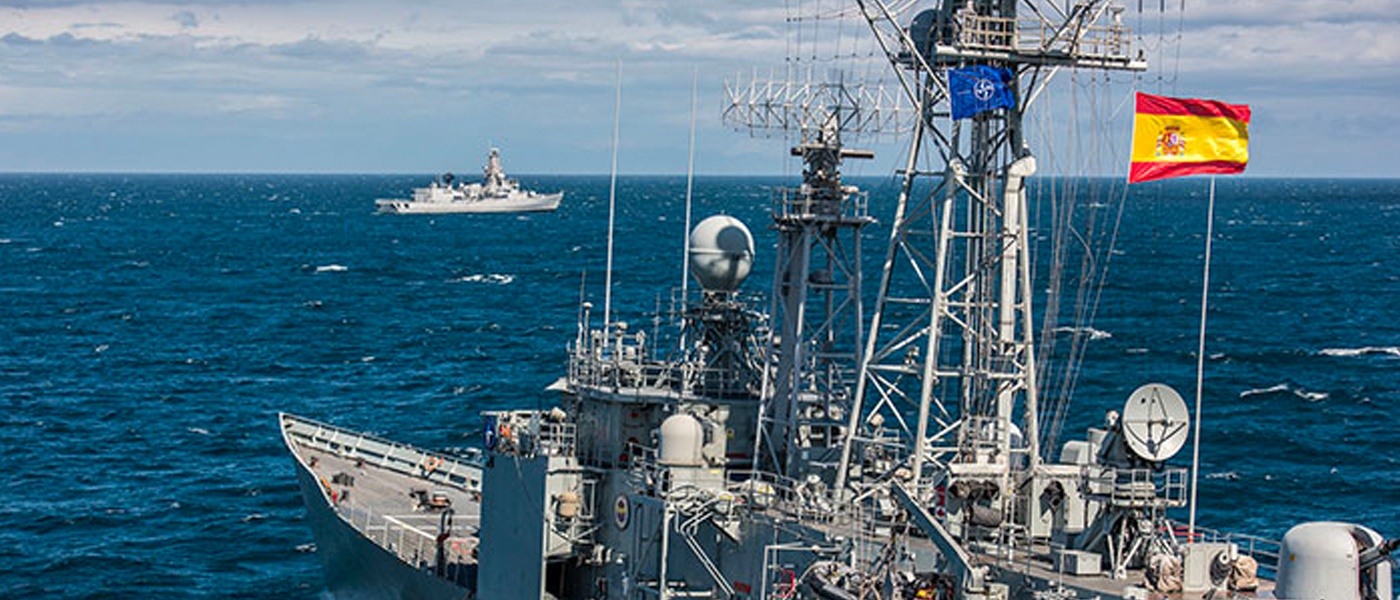
Will the Alliance discover navies again?
States are changing the way warfare is waged. New doctrines of engagement are emerging, tactics have altered, new thinking in the Frunze Academy has developed alternatives to the Western orthodoxy about how militaries gain a competitive edge in conflict.

The Future of Transatlantic Strategic Superiority
The U.S. Defense Innovation Initiative — also referred to as the Third Offset Strategy (TOS) — was announced in November 2014 to address the erosion of U.S. technological superiority and deterrence. The U.S. Department of Defense launched an ambitious innovation-based program to offset the competition from states in a long-term perspective and to “identify and invest innovative ways to sustain and advance U.S. military dominance for the 21st century.”
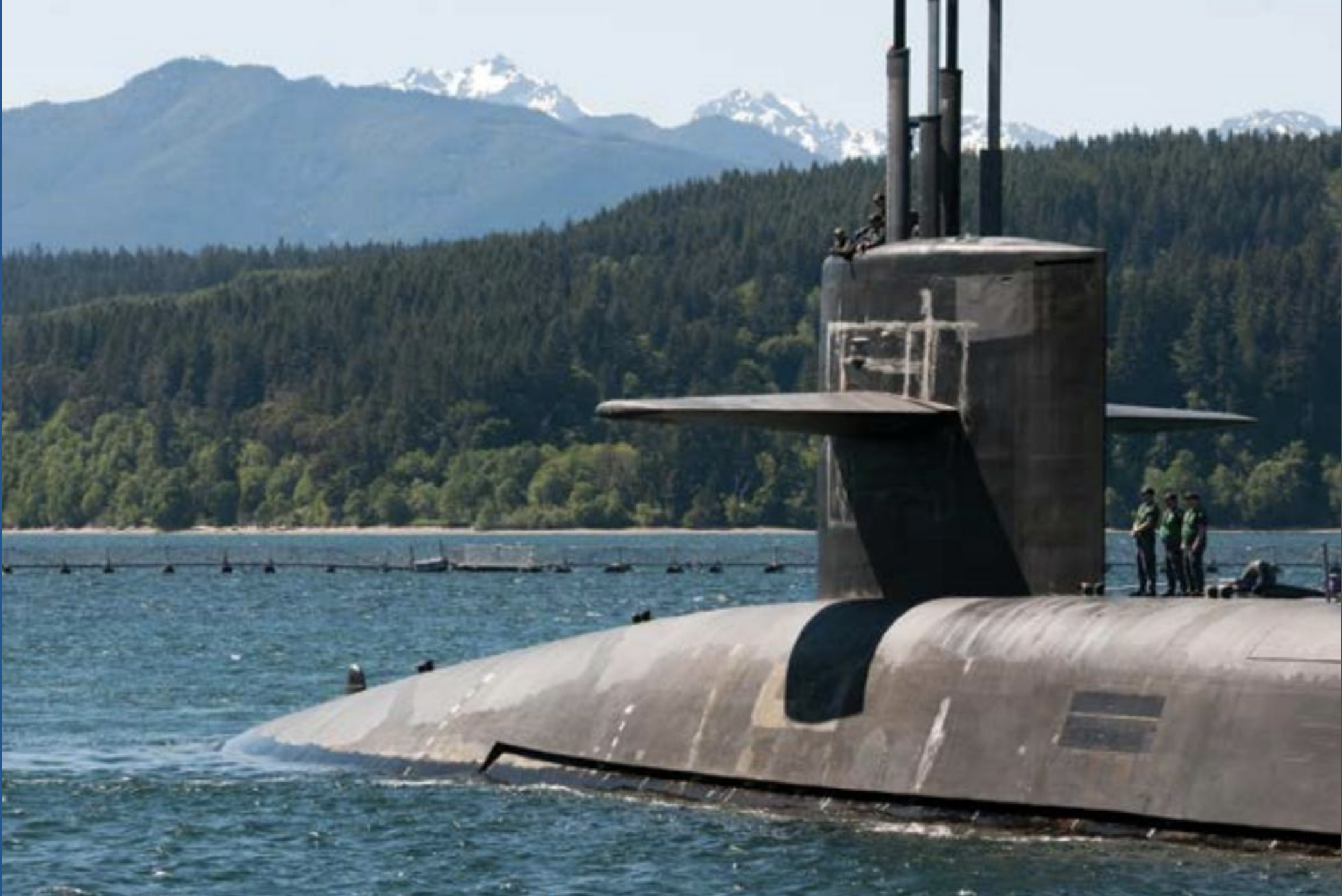
A Strategy for Deterring Russian De-Escalation Strikes
In recent years, Western analysts have become aware of the possibility that Russia may conduct limited nuclear “de-escalation” strikes in a bid to escalate its way out of failed conventional aggression. The United States and its NATO allies, however, have not developed a clear strategy for deterring limited Russian nuclear strikes.

NATO’s Value to the United States: By the Numbers
Questions have emerged in the United States about the value of America’s transatlantic alliance in an age when many Americans call for fewer foreign commitments and a stronger focus on domestic issues. NATO’s role and value to the United States was highlighted during the 2016 presidential campaign, and President Donald J. Trump has continued to ask questions about the relevance of the Alliance, calling for better burden-sharing between the United States and its European allies.
A Blueprint for US Strategy in the Baltics
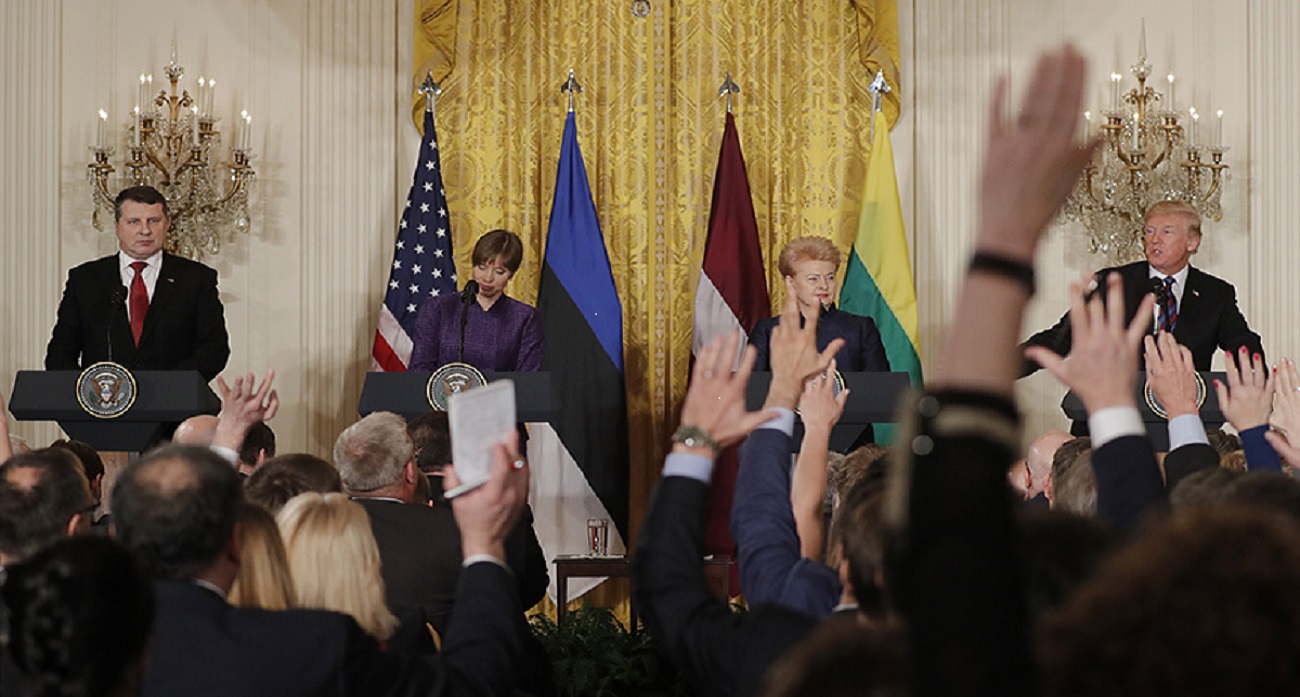
Since regaining independence, the Baltic states have transformed themselves into some of Europe’s most dynamic economies with some of the fastest growth rates in Europe. Baltic societies are highly digitized and connected to the outside world. They are also committed to democratic values of openness, human rights, and rule of law.
Today, these accomplishments face a new test emerging from a Kremlin intent on sowing division and mistrust, undermining our democratic societies, and intimidating our allies.

Minority rights need to be ensured and secured- also in the military
The decision of US President Donald Trump to ban transgender people from serving in the US military in the summer of 2017 prompted a debate about inclusivity of the military, not only in the US but also all over Europe.

Projecting Stability: an agenda for action
First, it’s important to start with the statement. The phrase is simple, but profound in its implications.

Democratic Defense Against Disinformation
“The Russians and other purveyors of disinformation will constantly improve their tactics; our counter-tactics therefore cannot be static,” write Ambassador Daniel Fried and Dr. Alina Polyakova in Democratic Defense Against Disinformation, a new publication by the Atlantic Council’s Eurasia Center. This report is part of the broader transatlantic effort to identify democratic solutions for countering disinformation in the short term and building societal resistance to it in the long term.
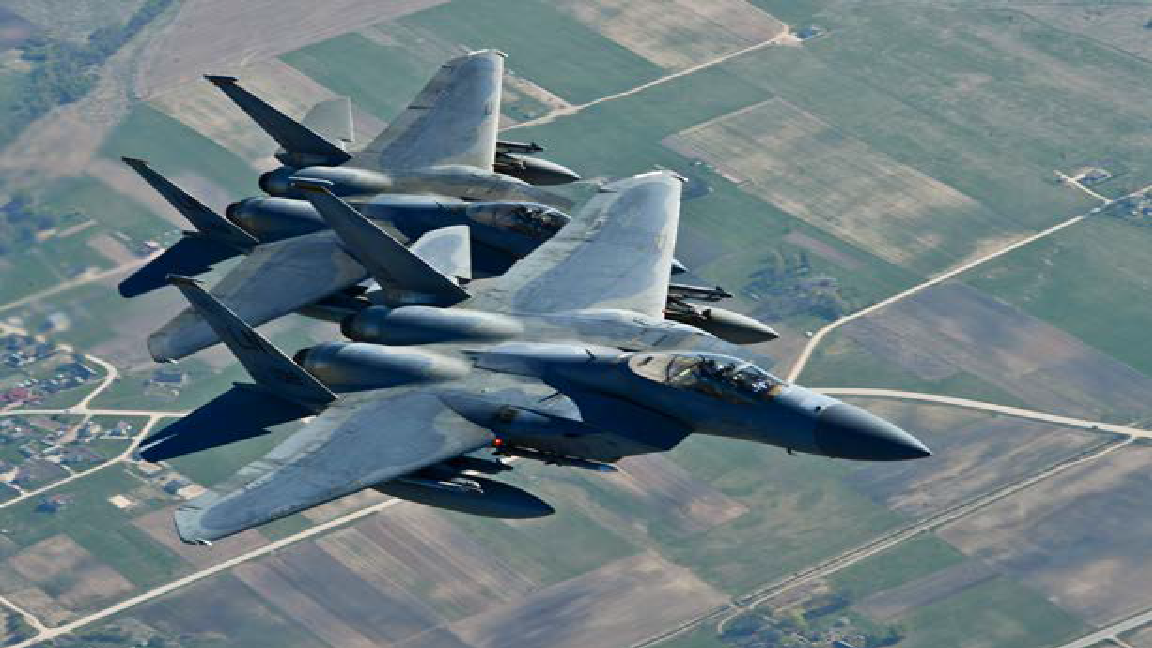
Toward Effective Air Defense in Northern Europe

Maritime Defense for the Baltic States
The maritime domain is increasingly a priority for NATO as the alliance seeks to bolster its defense and deterrence posture in Europe’s north and east. Much work remains to be done in terms of NATO’s maritime posture and the maritime capabilities and capacities of its members.
Meeting the Russian Conventional Challenge
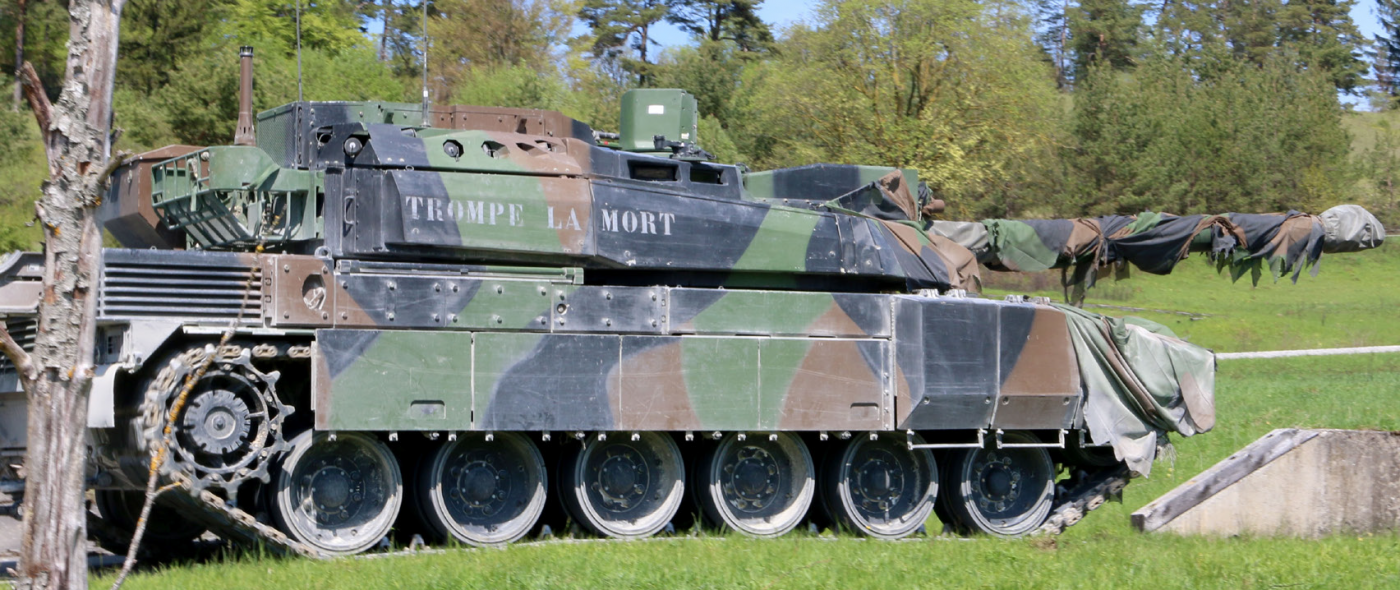
The buildup and threatening exercise of Russian conventional forces has been an important component of Russia’s multifaceted anti-Western campaign. NATO has the inherent capacity to deter, or if necessary prevail in, a conventional conflict.

Deconstructing PESCO: Washington’s Apparent, Actual, and Misplaced Fears About European Defense Plans
Washington has recently revived concerns about the ultimate purpose of the European Union (EU)’s nascent defense plans, avowing these could undermine NATO and transatlantic solidarity if US officials don’t keep a “close eye” on them.
This is bombast. Officially, such concern may appear to rest on political, strategic, or military imperatives about NATO’s cohesion, but the real reason can only be one of two things: either dawning economic worry or ignorance about what is really at play—and possible—in Brussels on the opposite side of town from NATO.
Shaping Strategy for Comprehensive and Effective Western Policy in Eastern Europe
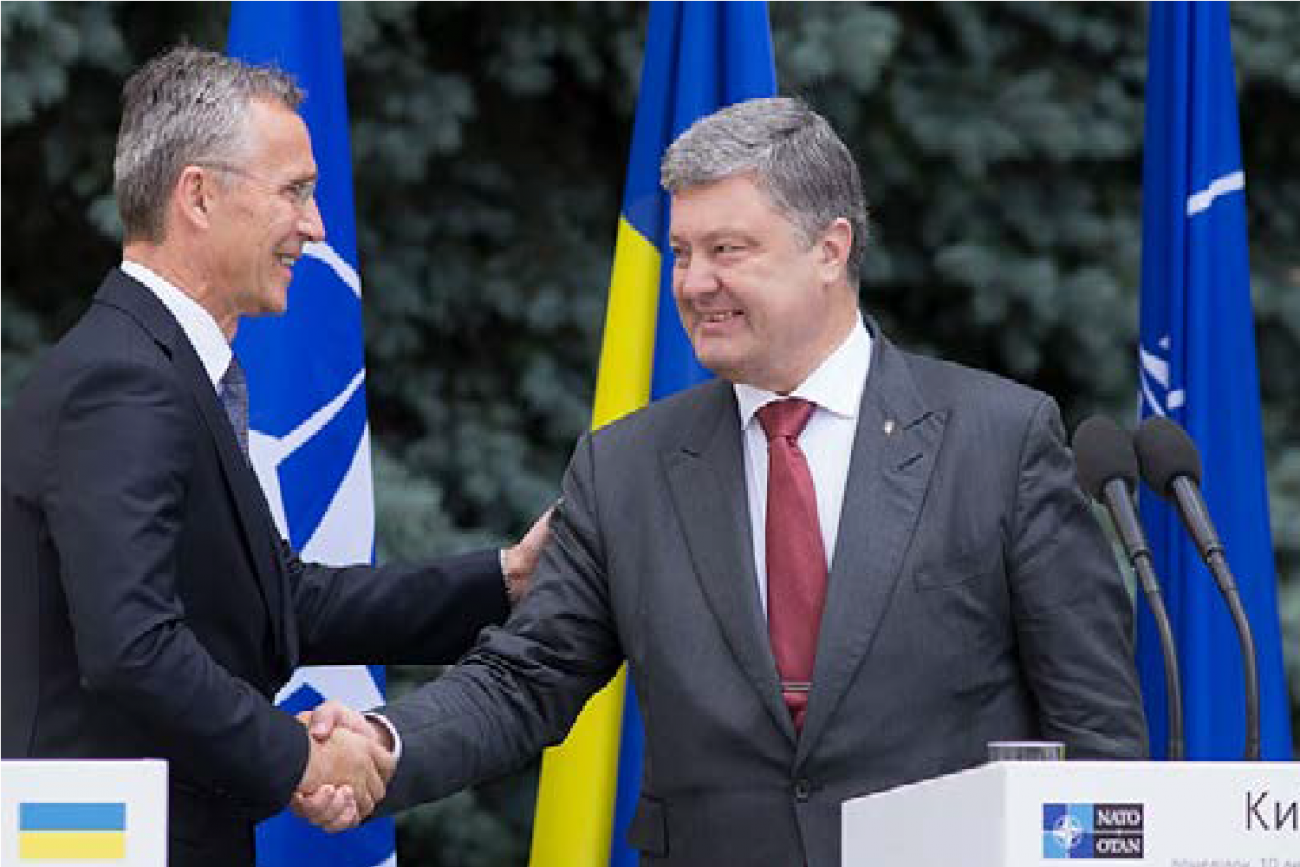
“The West’s failure to respond to Russia’s breaches of international law demonstrates weakness and undermines US credibility,” writes Dr. Maksym Khylko, in “Shaping Strategy for Comprehensive and Effective Western Policy in Eastern Europe,” a new issue brief by the Atlantic Council’s Eurasia Center. In the past ten years, Russia has invaded Georgia and Ukraine, illegally annexed the peninsula of Crimea, and occupied Abkhazia, South Ossetia, and Donbas.
A Ticking Clock
When the Doomsday Clock took its last big leap, moving from five minutes to three minutes to midnight in 2015, Rose Gottemoeller took it personally. She was then US under secretary of state for arms control and had spent her entire career negotiating with first the Soviets and then the Russians to keep the world further from the Bulletin of Atomic Scientists’ “apocalypse.”