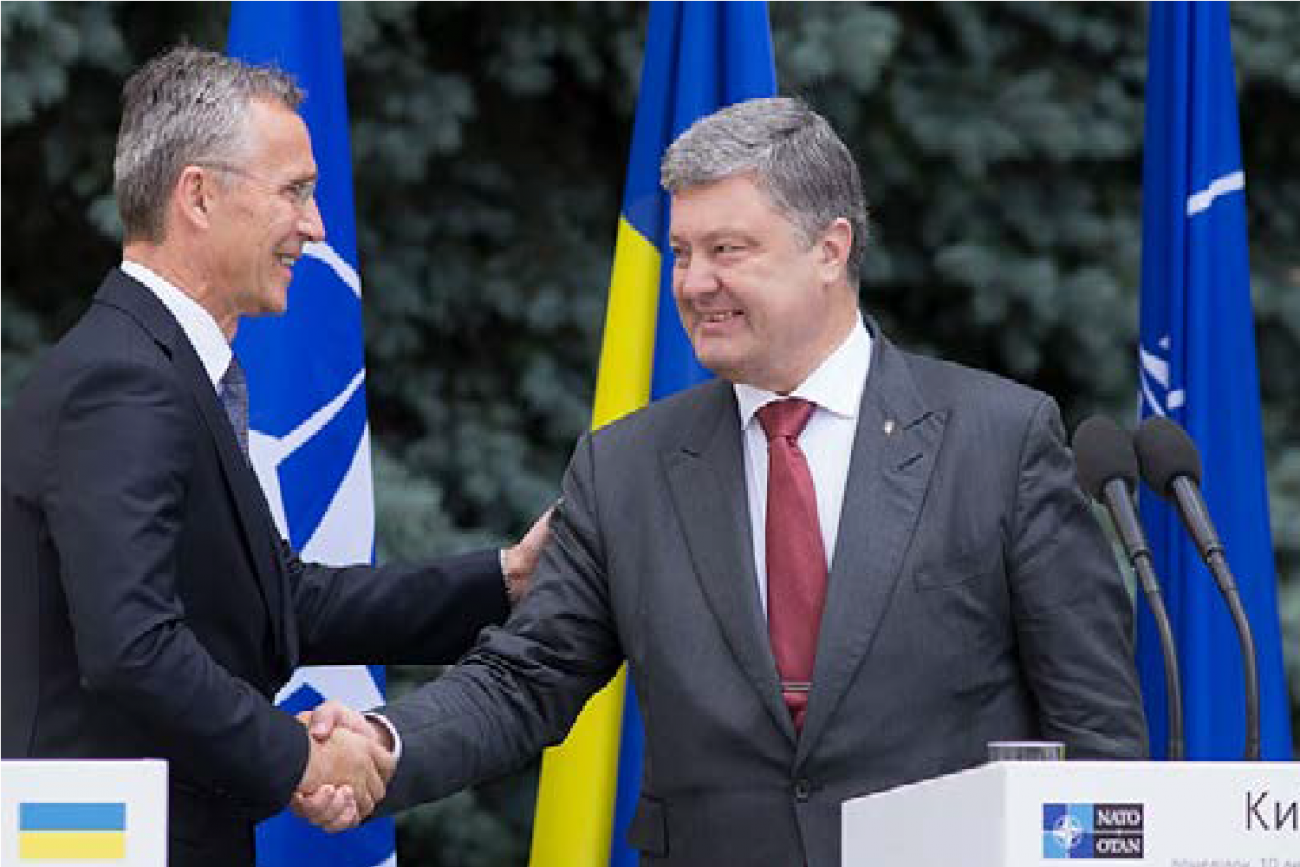
“The West’s failure to respond to Russia’s breaches of international law demonstrates weakness and undermines US credibility,” writes Dr. Maksym Khylko, in “Shaping Strategy for Comprehensive and Effective Western Policy in Eastern Europe,” a new issue brief by the Atlantic Council’s Eurasia Center. In the past ten years, Russia has invaded Georgia and Ukraine, illegally annexed the peninsula of Crimea, and occupied Abkhazia, South Ossetia, and Donbas.
Category: Allgemein
A Ticking Clock
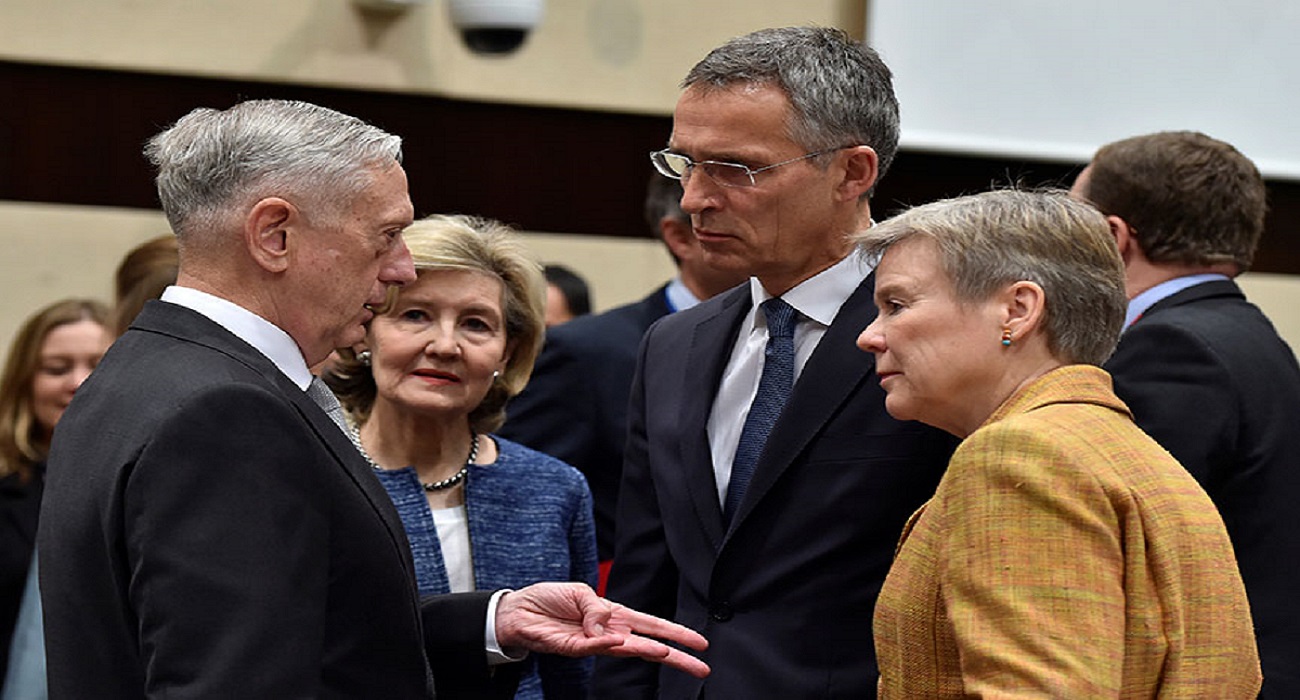
When the Doomsday Clock took its last big leap, moving from five minutes to three minutes to midnight in 2015, Rose Gottemoeller took it personally. She was then US under secretary of state for arms control and had spent her entire career negotiating with first the Soviets and then the Russians to keep the world further from the Bulletin of Atomic Scientists’ “apocalypse.”
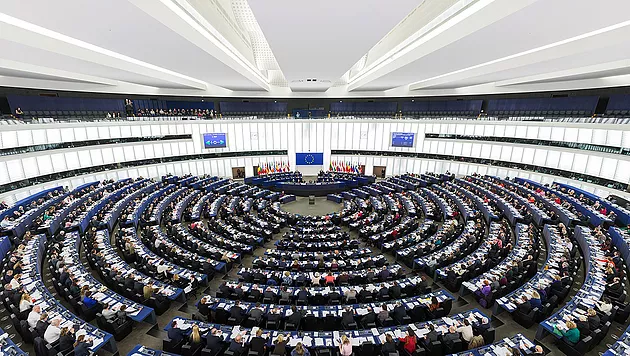
WIIS Study for the European Parliament: Women in CSDP missions
Promoting women’s participation in CSDP missions and operations is important to sustain EU’s credibility, to improve effectiveness, to promote equality at home and abroad, to increase the talent pool for personnel, and to make the best use of our financial resources. More needs to be done by both member states and the EU to fulfill promises to implement the United Nations Security Council Resolution 1325 on Women, Peace and Security.
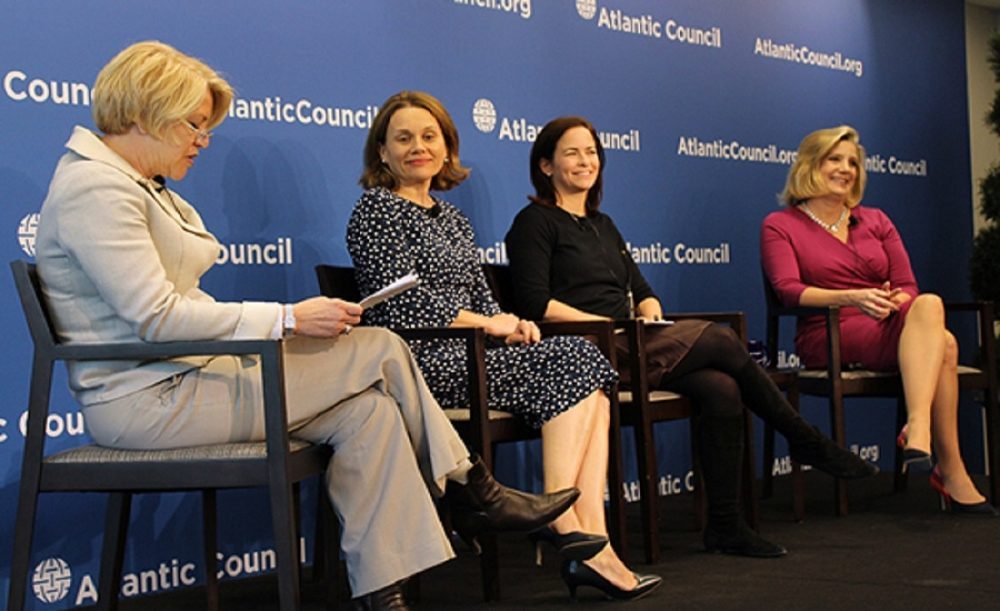
Taking Stock of the Transatlantic Relationship After One Year of Trump
Open-ended questions surrounding US relations with its European allies have direct implications for the ratcheting up of tensions and “managed competition” between the United States and Russia, according to Christine Wormuth, director of the Atlantic Council’s Adrienne Arsht Center for Resilience.
Russia represents a nexus between challenges facing US policy at home and abroad, as US President Donald J. Trump’s position on Russia remains often unclear. Kristen Silverberg, managing director at the Institute of International Finance, said: “The administration is talking out of both sides of its mouth on Russia.”

How the Harmel Report Helped Build the Transatlantic Security Framework
Last December, NATO commemorated the 50th anniversary of the “Report of the Council on the Future Tasks of the Alliance,” more commonly known as the Harmel Report. Initiated by Pierre Harmel, the former Belgian minister of foreign affairs, the report not only averted permanent damage to the Alliance that could have resulted from policy disagreements among Allies, but also directly led to the launch of a number of initiatives to stop the arms race and ease East-West tensions. Unfortunately, much of the significance of this document has faded into history.
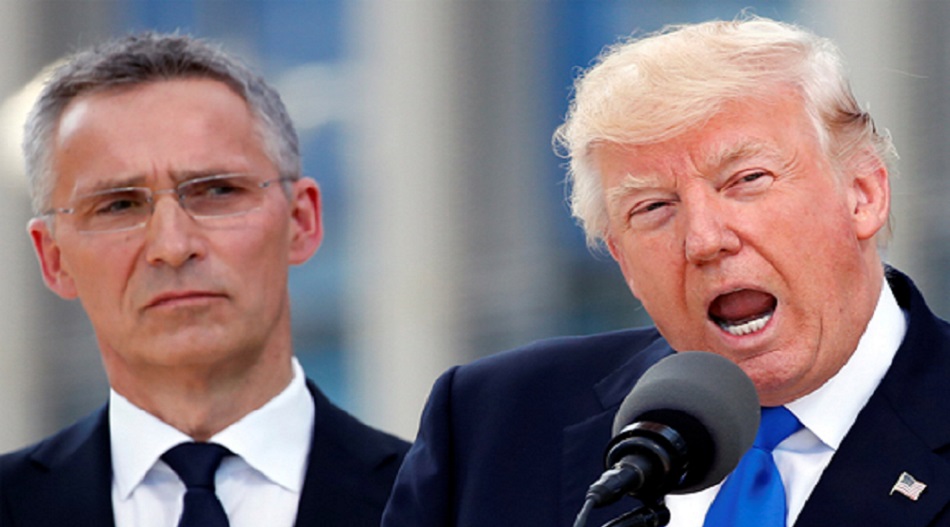
Trump’s NATO Policy ‘Trending Positive’
US President Donald J. Trump’s public skepticism toward multilateral organizations has created uncertainty among traditional US allies. Washington’s commitment to NATO, in particular, has been called into question in the first year of the administration. Despite critical rhetoric and ongoing concerns over allied burden-sharing, the Trump administration, alongside European allies, continues to take concrete steps to bolster transatlantic security.
Women in CSDP Missions
Promoting women’s participation in CSDP missions and operations is important to sustain EU’s credibility, to improve effectiveness, to promote equality at home and abroad, to increase the talent pool for personnel, and to make the best use of our financial resources. More needs to be done by both member states and the EU to fulfill promises to implement the United Nations Security Council Resolution 1325 on Women, Peace and Security.